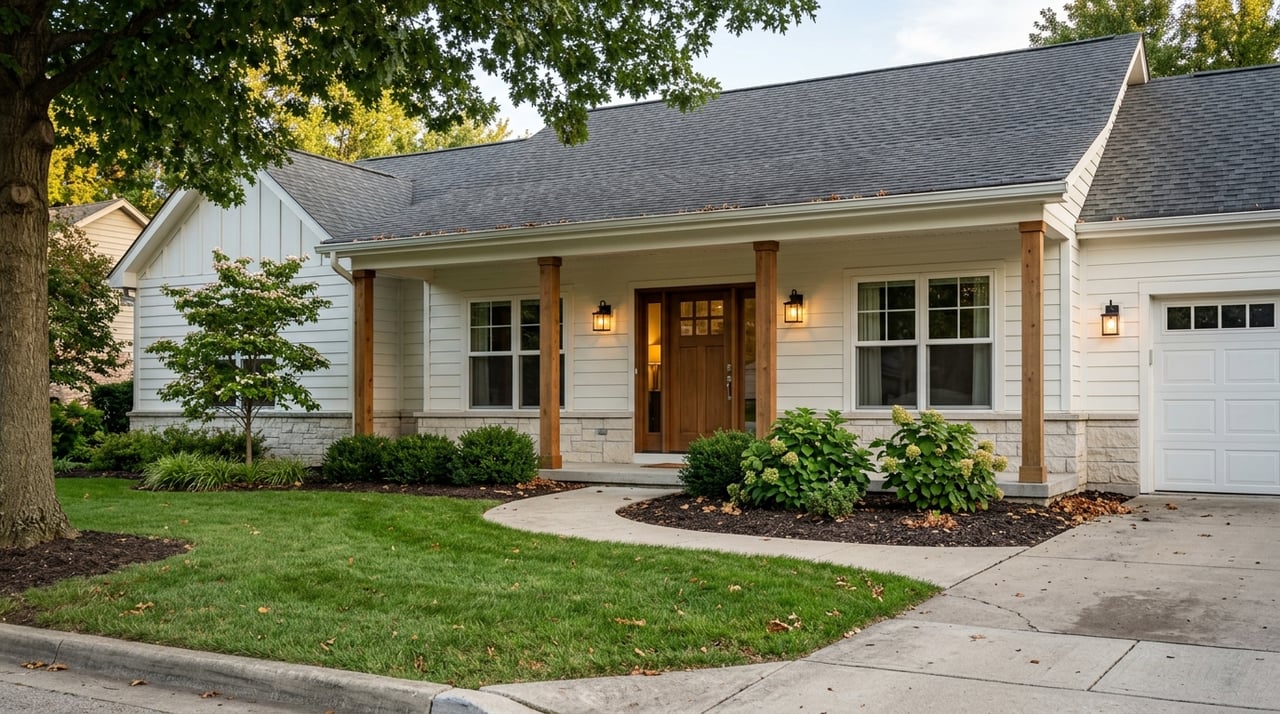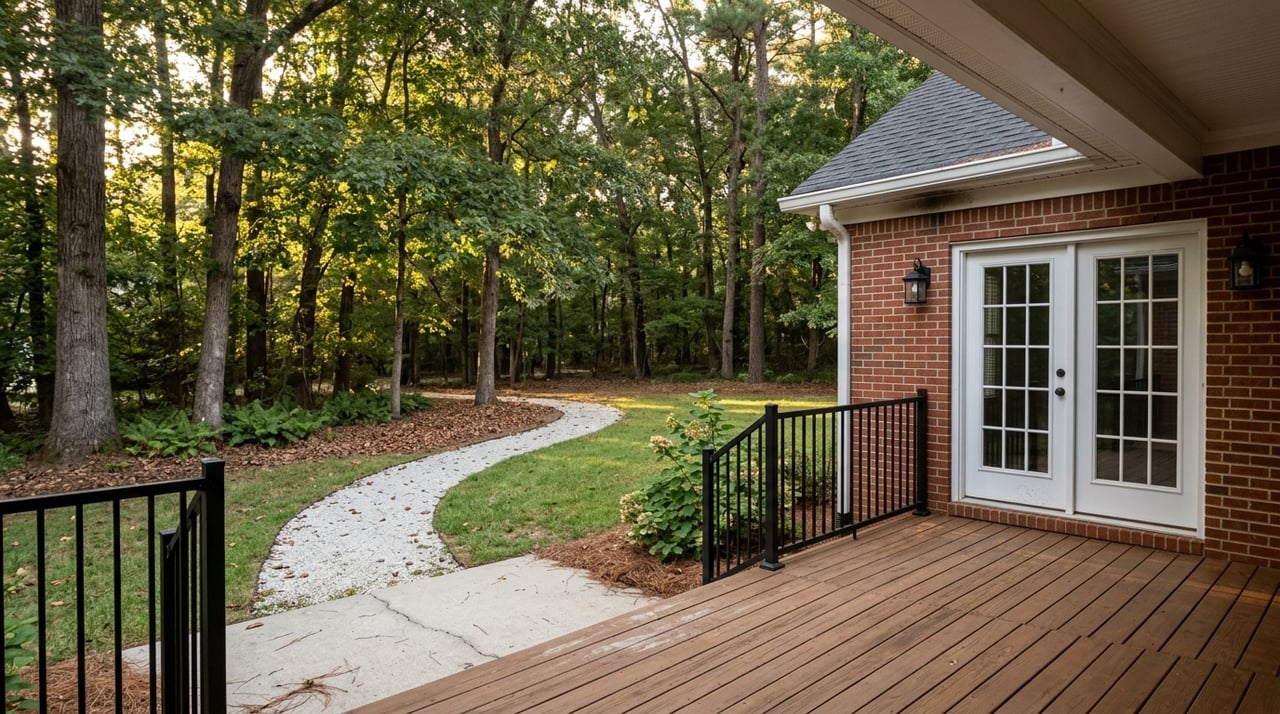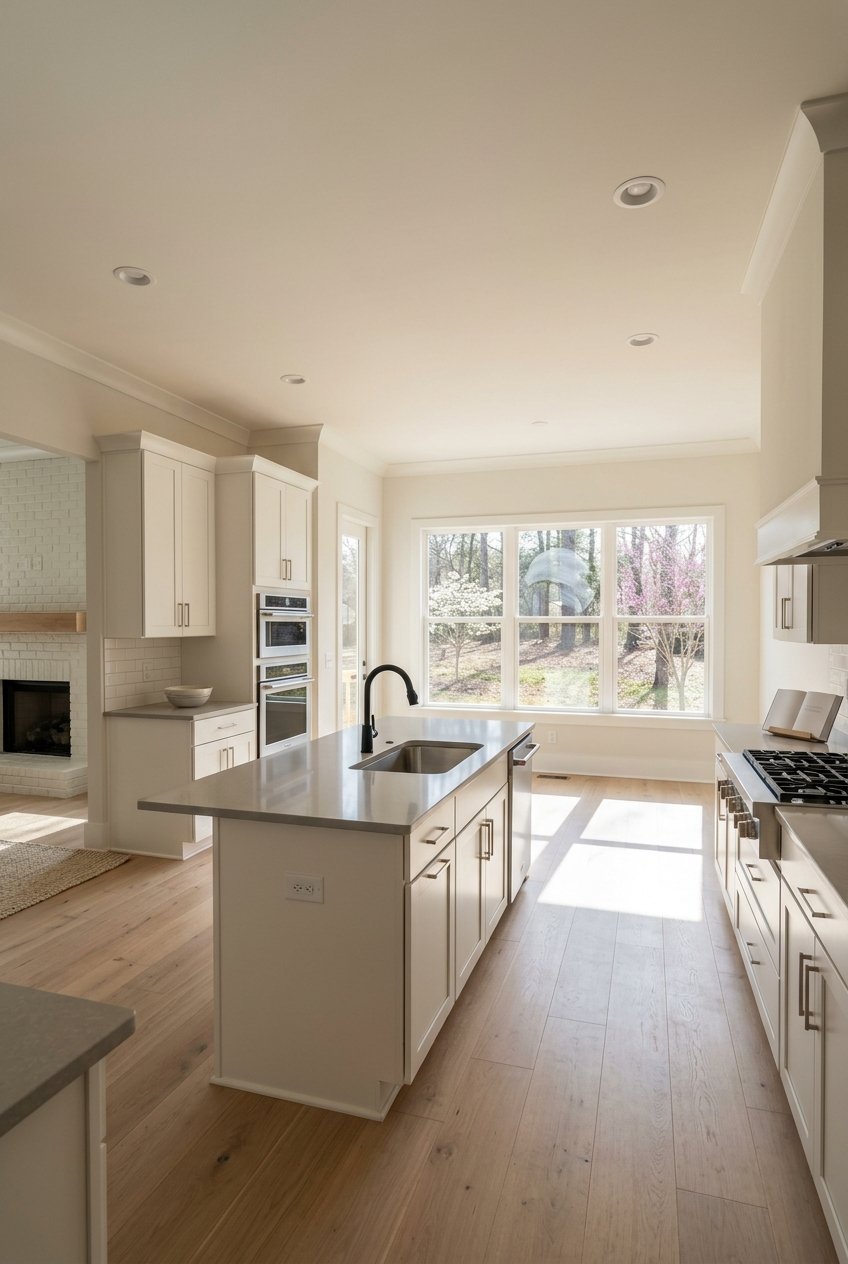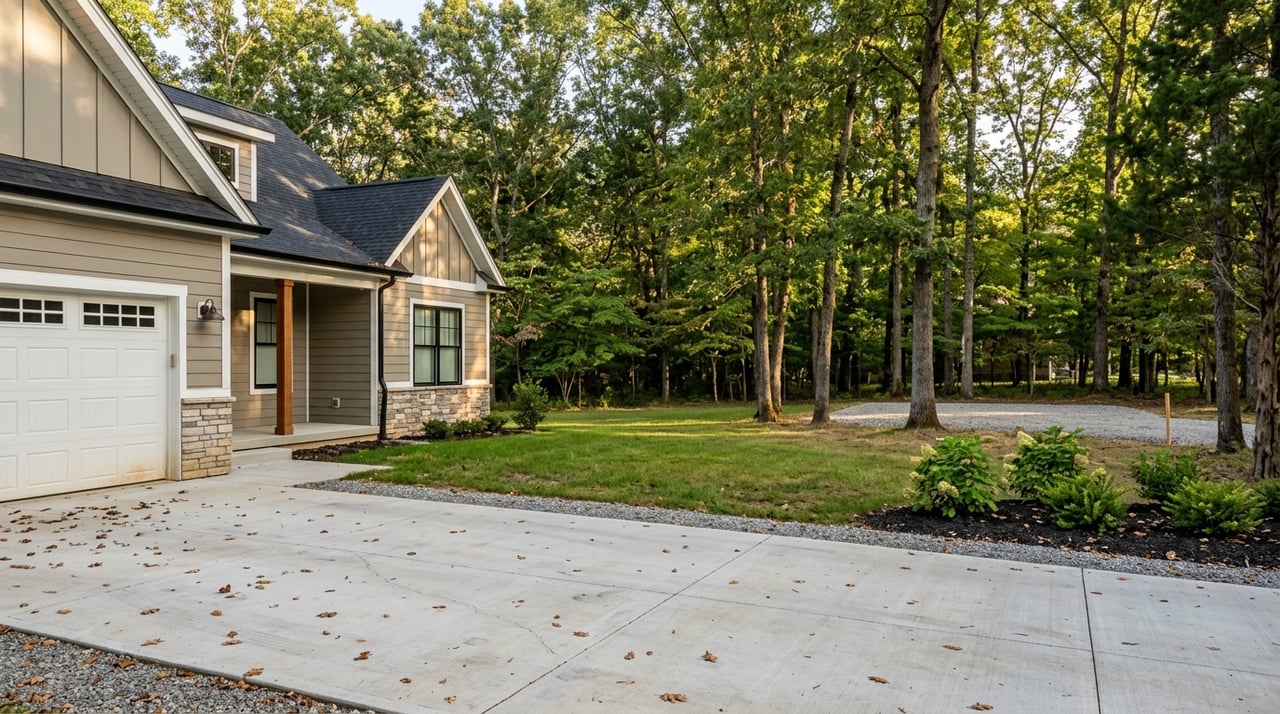
Wondering whether you should buy an existing home in Bella Vista or purchase a lot and build later? You are not alone. In Bella Vista, that choice comes up often because this is a large planned recreational community where both homes and vacant lots are part of the market. The right answer usually depends on how much certainty you want now versus how much customization you want later. Let’s break down what matters most so you can decide with more confidence.
Why this choice matters in Bella Vista
Bella Vista is not just any housing market. It is a 36,000-acre planned recreational community with private amenities managed through a POA and ACC structure, including golf, lakes, parks, trails, recreation centers, pools, and marinas.
That setup makes lot ownership more common here than in many other places. According to the POA, buyers purchase vacant lots for different reasons, including future homebuilding, amenity access, or long-term holding. So if you are comparing an existing home with a lot purchase, you are asking a very local and very practical question.
Buying an existing home
Why many buyers prefer this path
If you want the clearest path from contract to move-in, an existing home usually makes the most sense. The structure is already there, the layout already exists, and the utility setup is generally known.
That can make budgeting easier at the start. You are usually evaluating one transaction instead of a land purchase, design process, utility review, permit process, and construction timeline.
For many buyers, that predictability matters. If you are relocating, retiring, or simply want to settle in sooner, an existing home often gives you fewer moving parts to manage.
What to watch for with an existing home
The tradeoff is flexibility. You may love the location, wooded setting, or proximity to trails and lakes, but still wish the home had a different floor plan, more updated finishes, or a different exterior style.
It is also important to remember that buying a home involves more than the list price. Costs can include interest, fees, property taxes, closing costs, and any repairs or improvements you plan after closing.
If you want to change exterior features later, Bella Vista’s ACC rules may still apply. In other words, buying an existing home can be simpler up front, but future changes may still need review and approval.
Existing home may fit you best if
- You want a faster, more predictable closing
- You prefer to see the finished home before you commit
- You want a standard purchase mortgage rather than a construction loan
- You do not want to coordinate permits, surveys, and utility questions before building
Buying a lot and building later
Why this option appeals to buyers
If your top priority is getting the right setting or creating a home around your needs, a lot purchase can be attractive. You may want more privacy, a wooded feel, a specific lot position, or a custom floor plan that is hard to find in resale inventory.
This path can also work well if you have a longer timeline. Some buyers want to secure land now and build later when the timing is right.
In Bella Vista, that approach is common enough that the POA specifically recognizes it. But the lot path only works well when the property truly fits your plans.
Not every lot is buildable
This is one of the biggest points to understand in Bella Vista. The POA distinguishes between “membership lots” in Bella Vista Original and “building lots” in other subdivisions.
Membership lots are generally too small or otherwise unsuitable for a standard residential building permit. Building lots may work for construction, but only if size, topography, soil, and site conditions line up with what you want to build.
That means a lot that looks inexpensive or appealing online may not actually support your intended home. Before you buy, you need to confirm what category the lot falls into and whether it is practical for your goals.
Utilities can change the equation
Sewer and septic questions are a major part of Bella Vista lot due diligence. Not every residential lot has sewer service available, and availability needs to be verified parcel by parcel.
If sewer is not available, septic may be required. Arkansas Department of Health approval is required for an individual sewage disposal system, and suitability depends on factors such as soil conditions, number of bedrooms, and the setback from water wells.
There is another layer to keep in mind. Bella Vista’s local design standards say developed lots must connect to an approved central sewer system within 18 months of availability to the lot and share in connection costs. So even if septic works today, future sewer availability could affect your long-term cost planning.
Design review and permits take time
Building in Bella Vista is not just about picking a plan and starting construction. The ACC has a formal review process for new construction and outward appearance changes, and new-construction applications must be submitted by hand or mail rather than email.
The city’s residential permit package also shows how detailed the process can be. Depending on the project, you may need floor plans, wall sections, footing details, exterior elevations, deck details, sewer or septic information, utility plans, surveys, and easement or encroachment documentation.
For some buyers, that level of process is manageable. For others, it is a strong sign that buying an existing home may be the better fit.
Subdivision rules matter too
Each subdivision can have its own minimum livable square footage requirements. The ACC notes that subdivision plats list these minimums, and a garage or carport is required and does not count toward the minimum livable square footage.
That matters because a lot might technically be buildable, but still not work for the home size or style you want. This is why lot buying in Bella Vista requires more than just finding a parcel you like on a map.
Lot plus build may fit you best if
- You are comfortable with a longer timeline
- You want a custom layout or a specific lot setting
- You are willing to verify lot type, utilities, soils, and subdivision rules before closing
- You understand that financing and approvals can be more complex than a standard home purchase
Financing and timing differences
Existing-home financing is usually simpler
When you buy an existing home, you are usually working with a standard purchase mortgage. That tends to be more familiar and more straightforward for most buyers.
With new construction, financing can be more complex. Construction loans are often short-term, may have higher interest rates than longer-term mortgages, and typically release funds in draws as work progresses.
Some construction loans later convert to permanent financing, while others may require refinancing. If you are comparing these two paths, financing complexity alone can be a deciding factor.
A practical way to decide
Choose the existing home path if certainty matters most
If your goal is to reduce surprises, shorten your timeline, and make decisions based on a finished product, buying an existing home is usually the stronger option. You can inspect the property, understand the layout, and evaluate the setting before you commit.
That does not mean there will be zero issues. It simply means there are usually fewer unknowns than with a vacant lot and future build.
Choose the lot path if customization matters most
If you are willing to do more up-front due diligence in exchange for design freedom, a lot may be worth the extra effort. This path tends to fit buyers who care more about long-term fit than short-term speed.
The key is to stay realistic. In Bella Vista, customization is possible, but only when the lot, utilities, subdivision standards, and permit steps all support the plan.
Questions to answer before you make an offer
Whether you are looking at one lot or comparing several, these questions can save you time and money:
- Is the property a membership lot or a buildable lot?
- Is sewer available now, or would septic be required?
- What minimum square footage rules apply in that subdivision?
- What monthly POA assessment applies while you own the property?
- What financing would your lender require for construction?
- Have you confirmed the ACC and city permit steps before writing the offer?
The bottom line for Bella Vista buyers
In Bella Vista, this decision usually comes down to certainty versus customization. Existing homes often win on speed, simplicity, and easier budgeting. Lots can win on privacy, layout control, and long-term fit, but only after careful due diligence.
If you want candid guidance, quick answers, and help sorting through the details before you commit, Cindy Carfaro can help you compare homes, lots, and next steps with a clear local strategy.
FAQs
Should you buy a home or build in Bella Vista?
- If you want faster timing and fewer unknowns, buying an existing home is usually easier. If you want a specific setting or custom layout and can handle more due diligence, building on a lot may be the better fit.
Are all Bella Vista lots buildable?
- No. Bella Vista has both membership lots and building lots, and some lots are generally unsuitable for a standard residential building permit.
Does every Bella Vista lot have sewer service?
- No. Sewer availability must be verified parcel by parcel, and some lots may require septic if sewer is not available.
What approvals are needed to build in Bella Vista?
- New construction typically goes through ACC review and city permitting, with documents that can include plans, elevations, utility details, surveys, and sewer or septic information.
Do Bella Vista subdivisions have minimum home-size rules?
- Yes. The ACC says subdivision plats list minimum livable square footage requirements, and garages or carports do not count toward that minimum.
Do Bella Vista lot owners pay a monthly assessment?
- Yes. The POA says each vacant lot owner currently pays a $16.00 monthly assessment, and keeping assessments current preserves amenity privileges.